
Skin aging: causes, changes, and effective treatment methods
Read our expert guide to skin aging – what causes age spots, wrinkles and fine lines, how lifestyle affects the skin, and what treatment methods you can use to prevent and treat age-related changes.
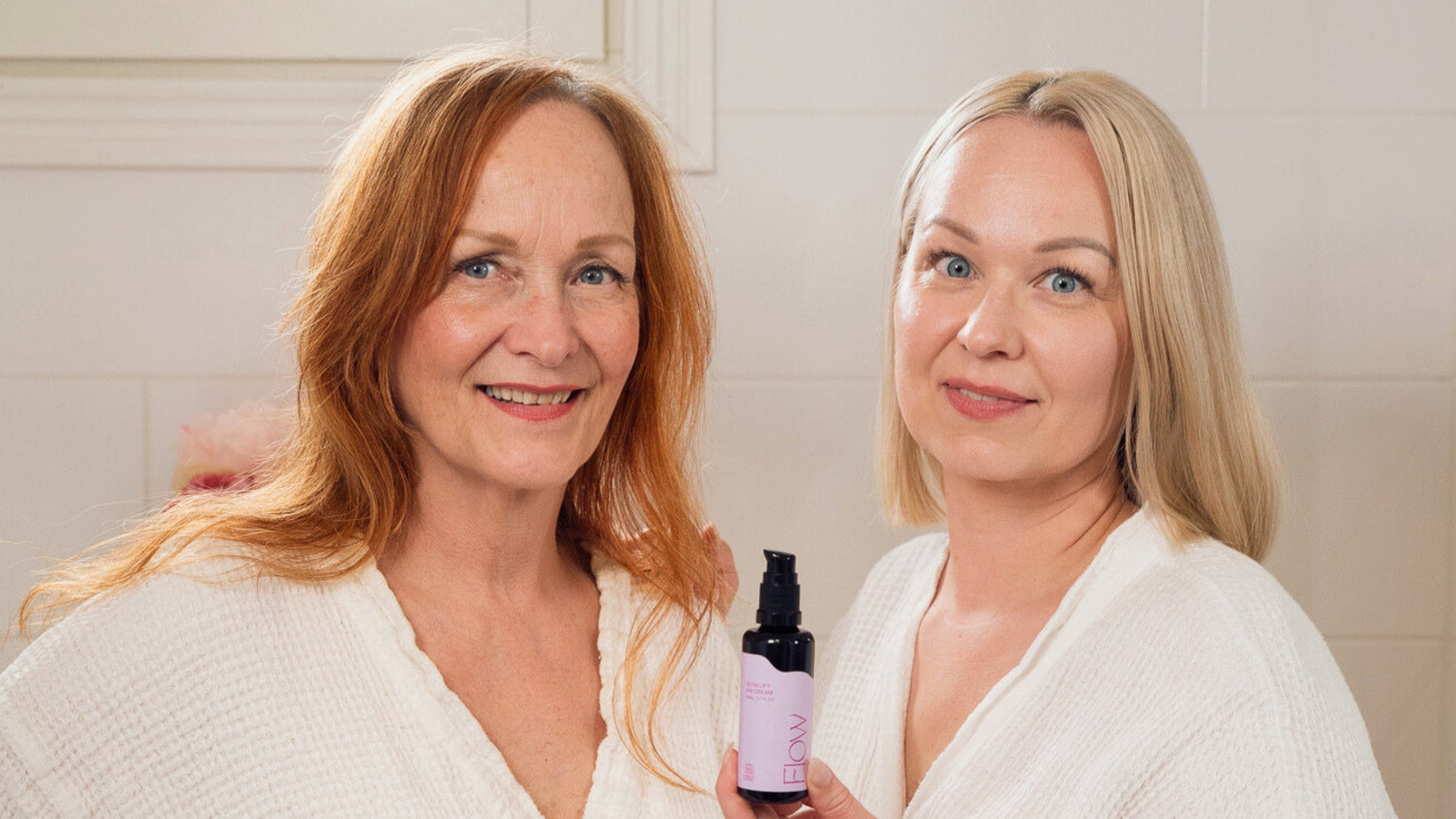
Skin aging is a natural biological process that gradually begins around the age of 25. It is inevitable, and its progression is influenced by both internal and external factors. Internal factors include genetics, hormonal activity, and metabolism, while external factors include sun's UV radiation, various chemical exposures, air pollution, and lifestyle choices.
In this blog, we will cover:
- Causes behind skin aging
- What aging changes occur in the skin
- How to treat the problems of aging skin
- The impact of lifestyle on skin aging
1. Causes behind skin aging
The first signs of aging usually start to appear on the skin around 30-40 years of age. However, during perimenopause, between approximately 40-50 years of age, more visible signs of aging begin to form on the skin. The most significant factor influencing skin aging is the decrease in sex hormone (estrogen and testosterone) levels. Chronic stress and elevated cortisol levels also accelerate the formation of aging changes. Due to stress, lifestyle, and environmental factors, the body produces reactive oxygen species (ROS), also known as free radicals, which damage skin cells and break down collagen and elastin, among other things. Skin aging is completely natural, but you can support your skin in many ways to keep it beautiful and healthy despite aging.
2. What aging changes occur in the skin
LIVER SPOTS
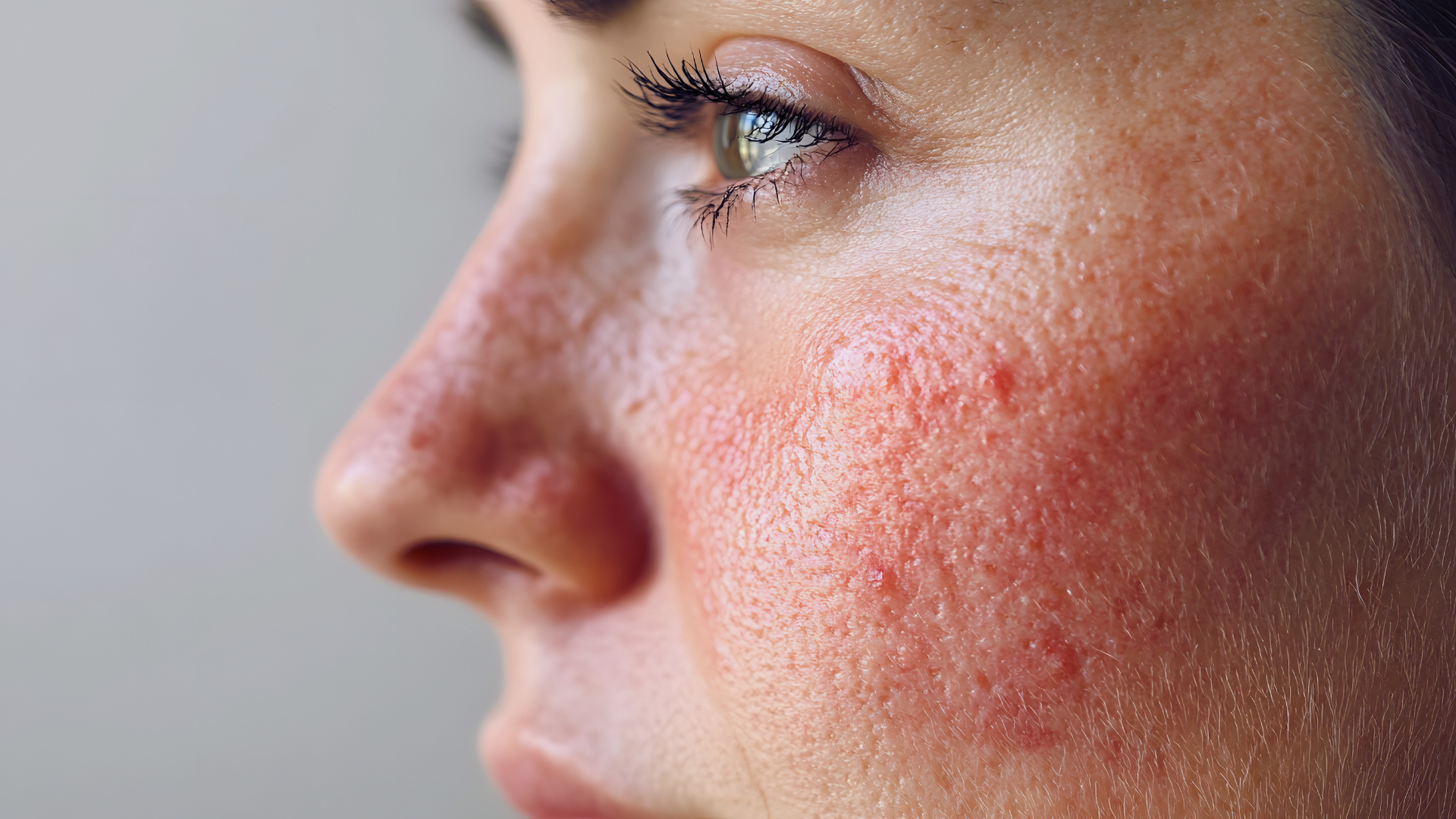
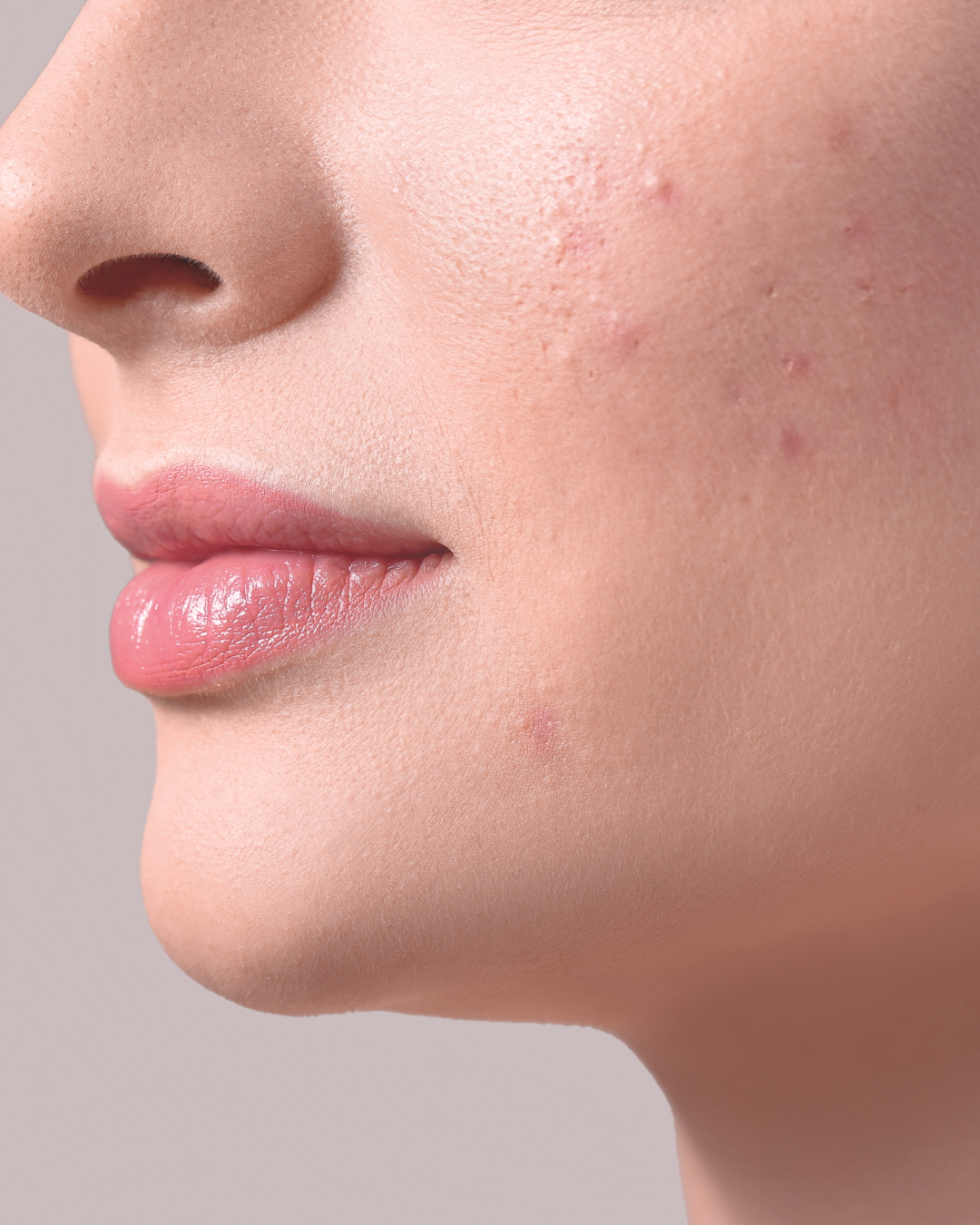
One of the most common signs of aging on the skin are pigment changes, such as liver spots. A liver spot, also known as a sun spot or lentigo, is a flat, brown pigmented spot that typically appears on the face, arms, hands, and other sun-exposed areas of the skin. Pigment spots form when there is a change in the function of melanocytes, the skin's pigment-producing cells. Due to aging, hormonal changes, and UV radiation, melanocytes can become unevenly activated or their number can decrease, leading to uneven pigment distribution in the skin. This manifests as either hyperpigmentation or lighter areas (hypopigmentation), such as liver spots and age spots.

Liver spots, or lentigines, are one of the first visible signs of aging.
WRINKLES AND FINE LINES
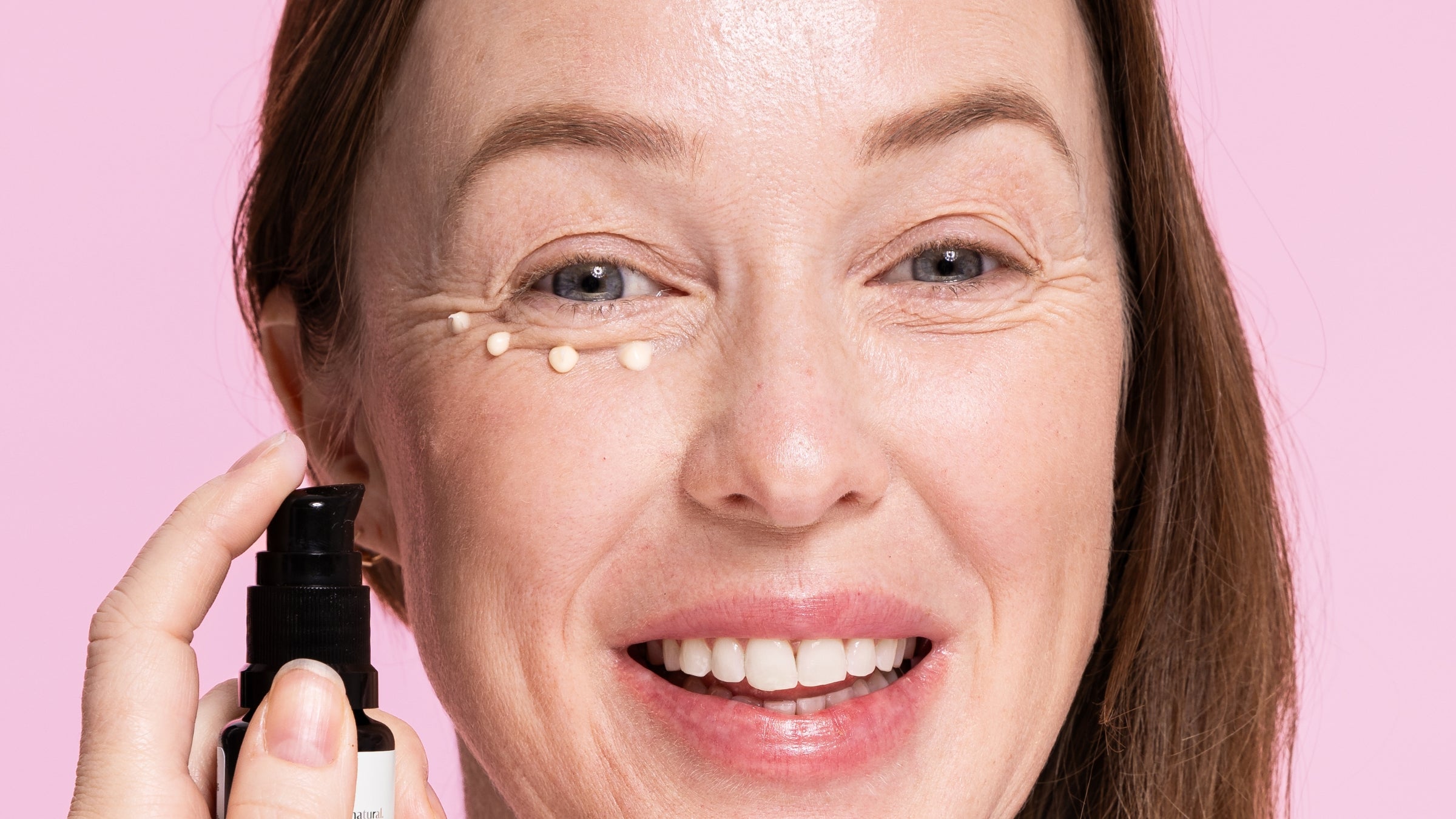
Wrinkles and fine lines are another clearly visible sign of aging on the skin. They form when, due to hormonal changes, skin renewal slows down, and collagen and elastin fibers weaken and stiffen. Collagen gives the skin its firmness and structure, while elastin is responsible for the skin's elasticity and flexibility. The reduction of these supporting proteins leads to thinning of the skin, sagging, and eventually the formation of wrinkles.
In addition to hormonal changes, glycation and free radicals accelerate wrinkle formation, dull the skin tone, and weaken the skin's regenerative capacity. Glycation (or saccharification) is a process where excess sugar in the bloodstream reacts with the body's proteins, such as collagen and elastin. This results in the formation of harmful compounds called AGEs (Advanced Glycation End Products), which stiffen and damage the skin's structure.
SKIN DRYNESS
With aging, the amount of hyaluronic acid in the skin also decreases. Hyaluronic acid is an important extracellular matrix component that binds water and maintains the skin's moisture balance and plumpness. Thus, with its decrease, the skin's moisture content also drops, leading to reduced skin elasticity, dryness, and deepening of fine lines. This makes the skin less flexible and more vulnerable to external irritants.
The skin's sebum production decreases, especially after the onset of menopause. In addition, the composition of sebum changes: its moisturizing and protective lipids can decrease, which weakens the skin's protective barrier and makes it more prone to dryness and irritation. The decrease in estrogen during menopause is a key factor in the decline of sebum production, as estrogen normally stimulates sebaceous gland activity. When estrogen levels drop, sebum secretion decreases, which contributes to skin dryness. Changes in the skin's lipid balance also impair the function of the skin's own protective barrier, making the skin more susceptible to reacting to various irritants.
3. How to treat the problems of aging skin
Proper anti-aging skincare is generally recommended to start around the age of 40. Aging changes can be influenced externally to some extent with certain cosmetic ingredients. However, the most important aspect of skincare is a regular routine that supports skin balance, helping the skin's own protective barrier function normally to keep the skin resilient.
A suitable skincare routine started at a younger age can significantly help delay visible signs of aging. Nutritional supplements, for example, can also be used internally to prevent aging changes by addressing nutrient deficiencies in the diet. Below are our best tips for treating aging skin changes.
LIVER SPOTS - AHA and BHA acids
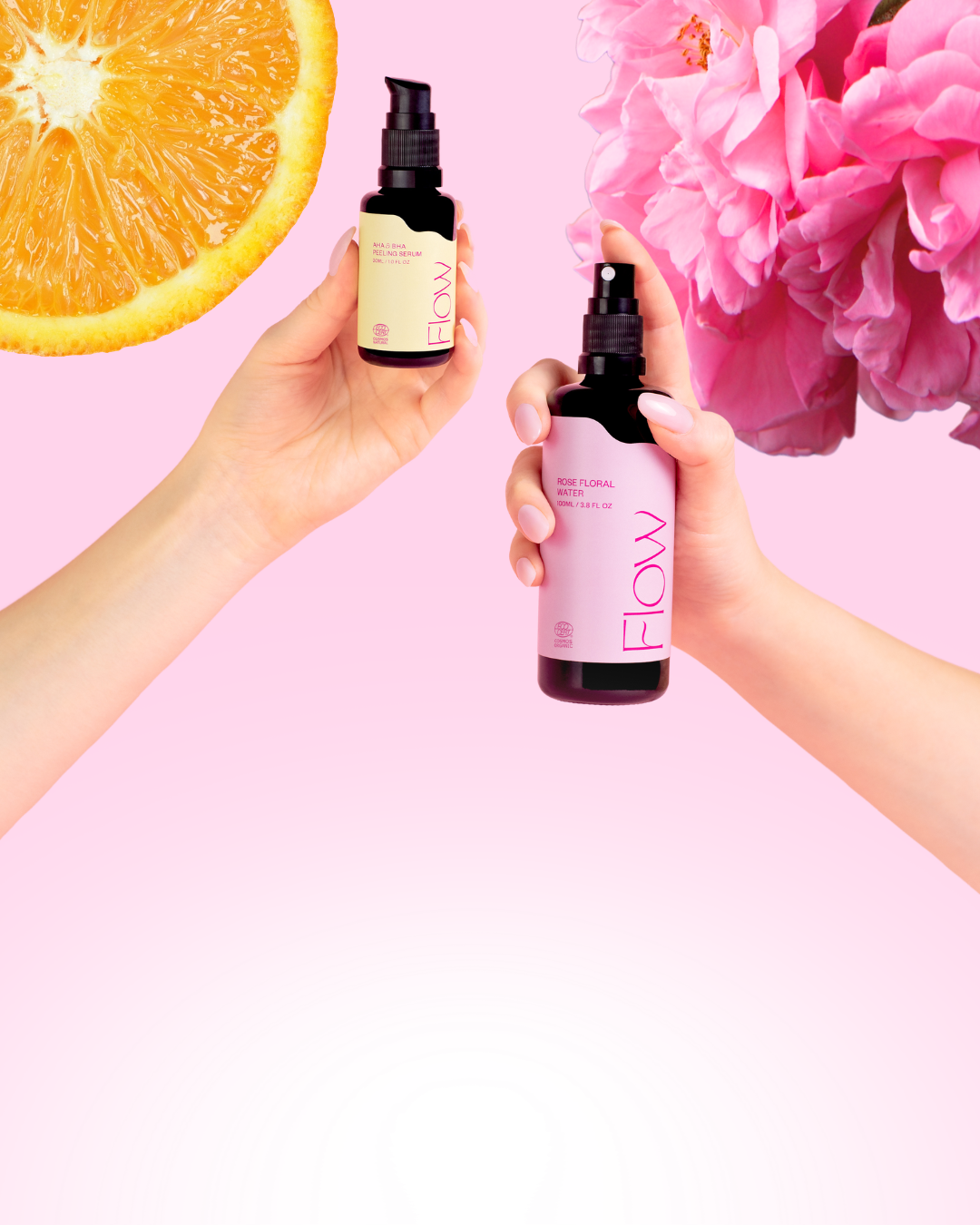
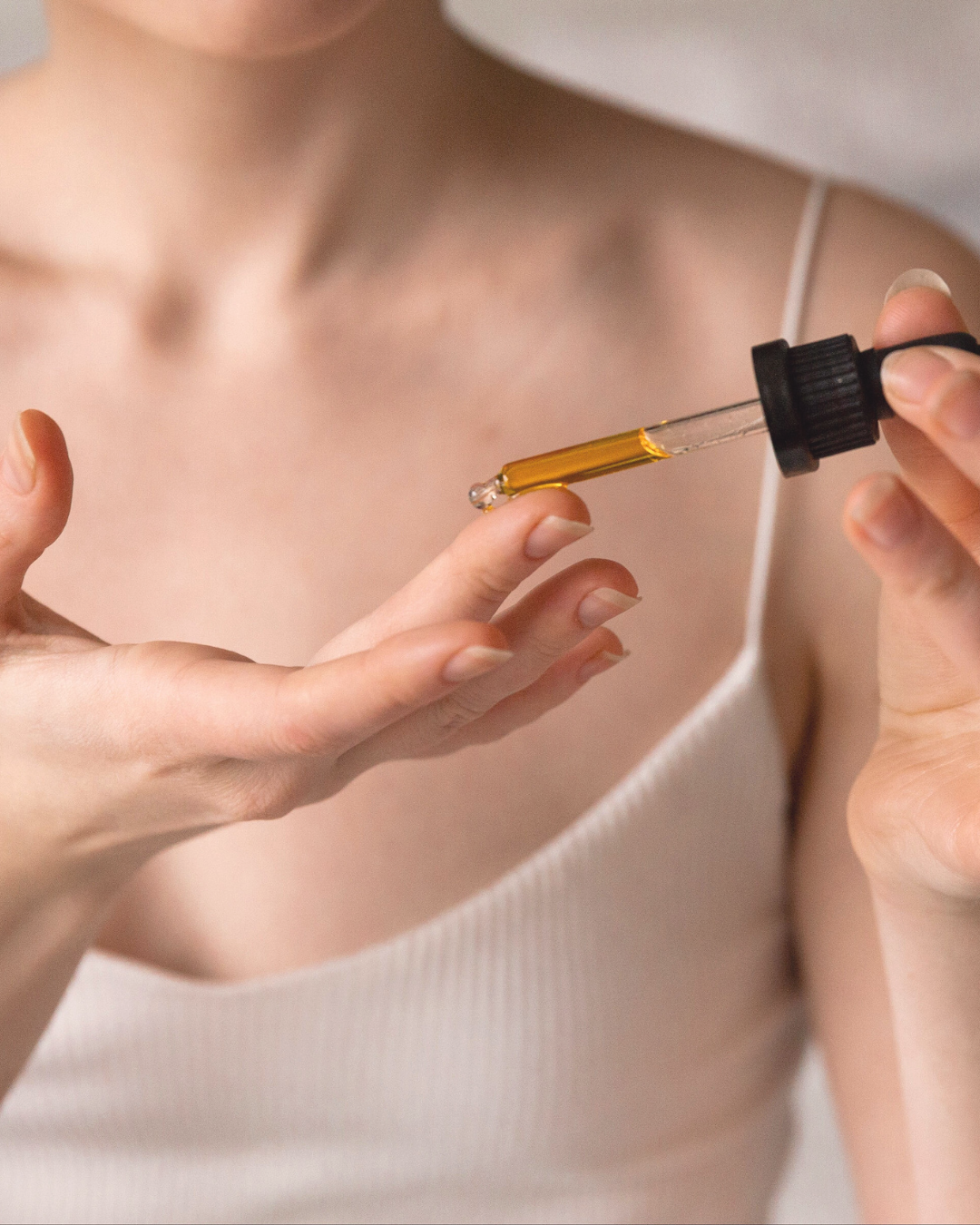
The best way to prevent liver spots is to protect the skin from excessive UV radiation with physical sunscreens and clothing. Existing spots can be treated with skin-brightening skincare products, for example. AHA and BHA acids are effective exfoliating ingredients used in the treatment of aging skin changes. AHA & BHA serum effectively and gently combines these acids into a treatment product that supports skin renewal.
AHA acids (alpha hydroxy acids), such as glycolic acid and lactic acid, exfoliate the skin's surface layer, stimulate cell renewal, and even out skin texture and tone. They help diminish fine lines and brighten the skin. BHA acids (beta hydroxy acids), such as salicylic acid, penetrate deeper into pores, control impurities, and reduce inflammation. Regular but gentle acid exfoliation promotes skin renewal, making the skin smoother and more radiant. When you use AHA & BHA serum at night, you do not need other facial exfoliation.
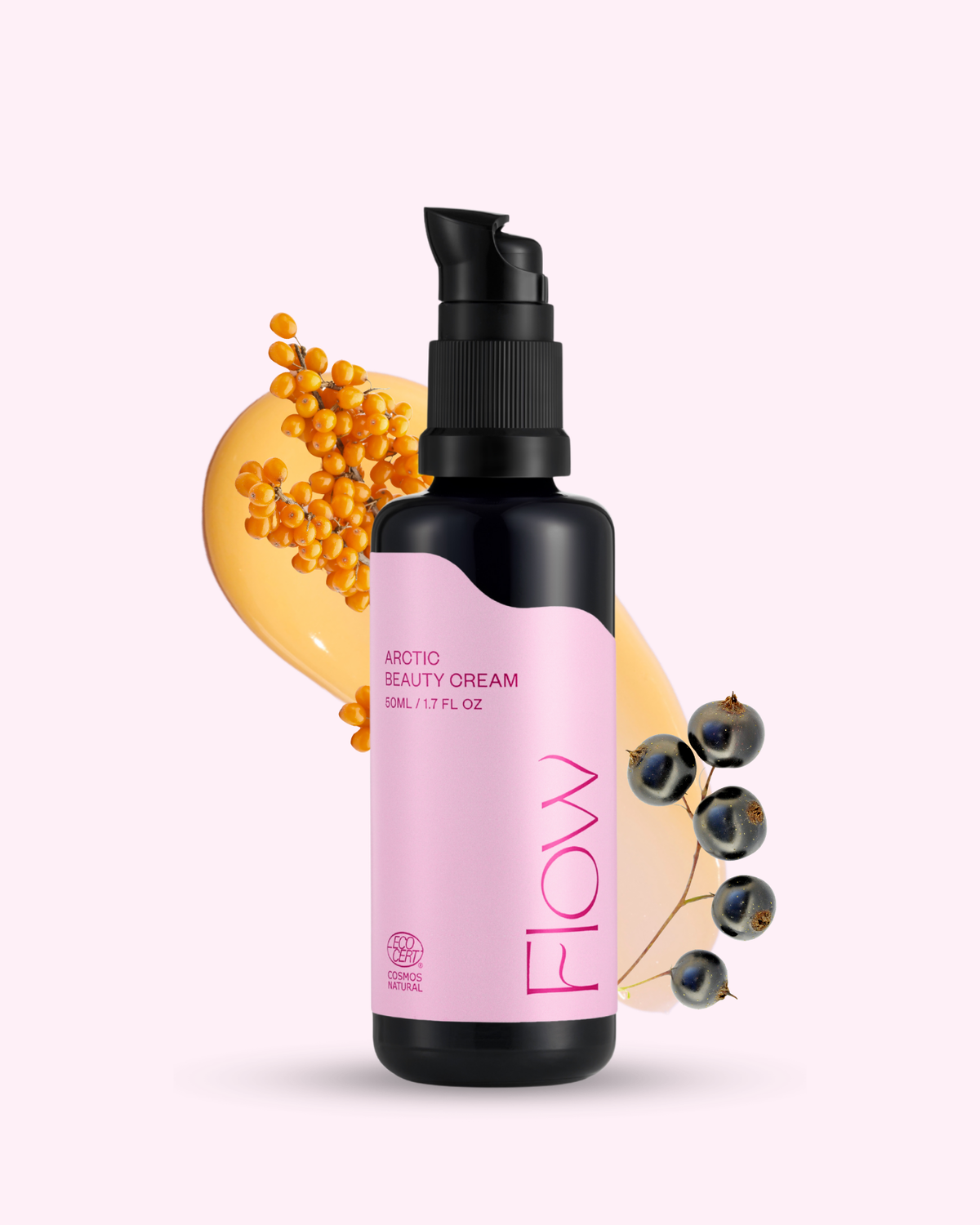
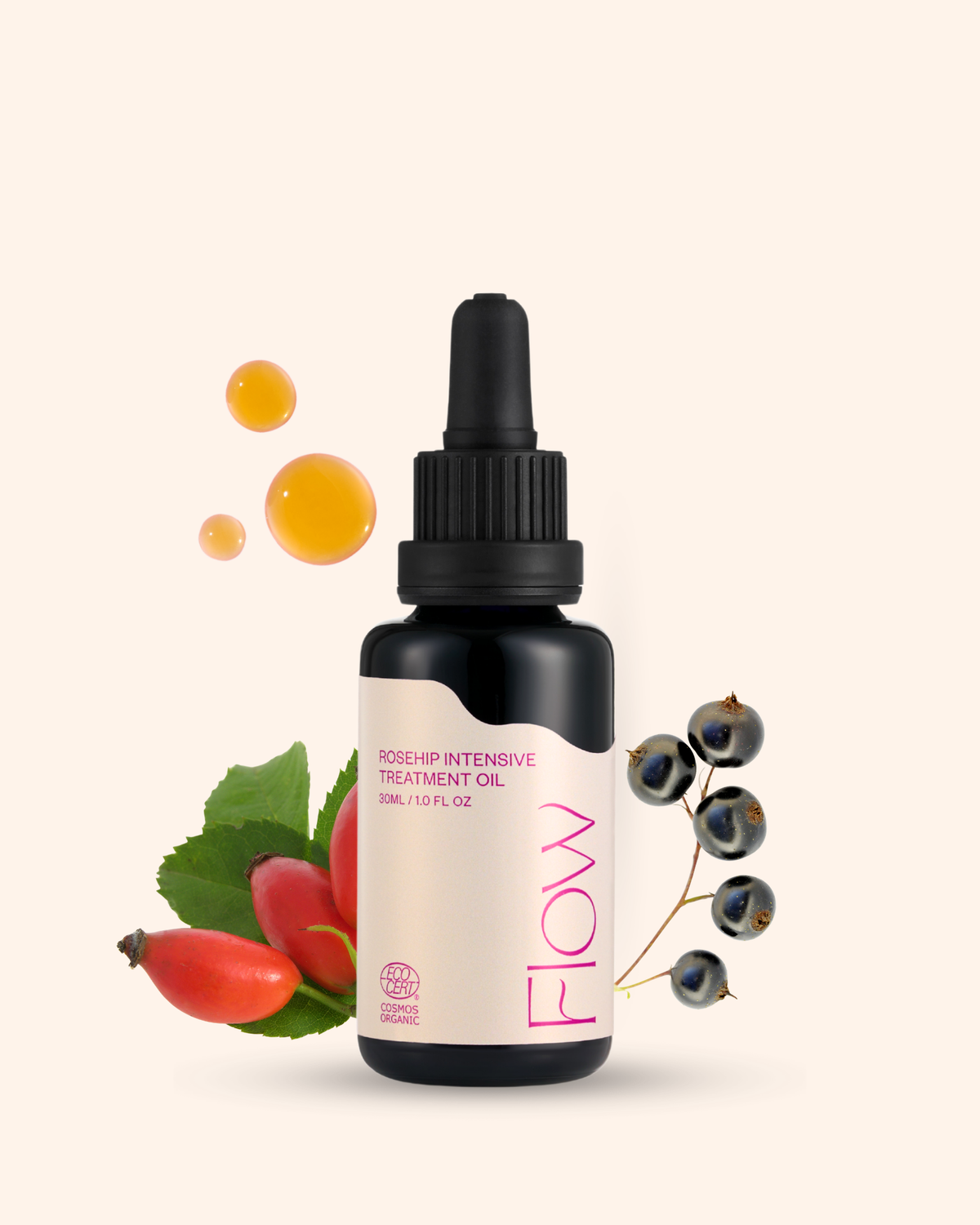
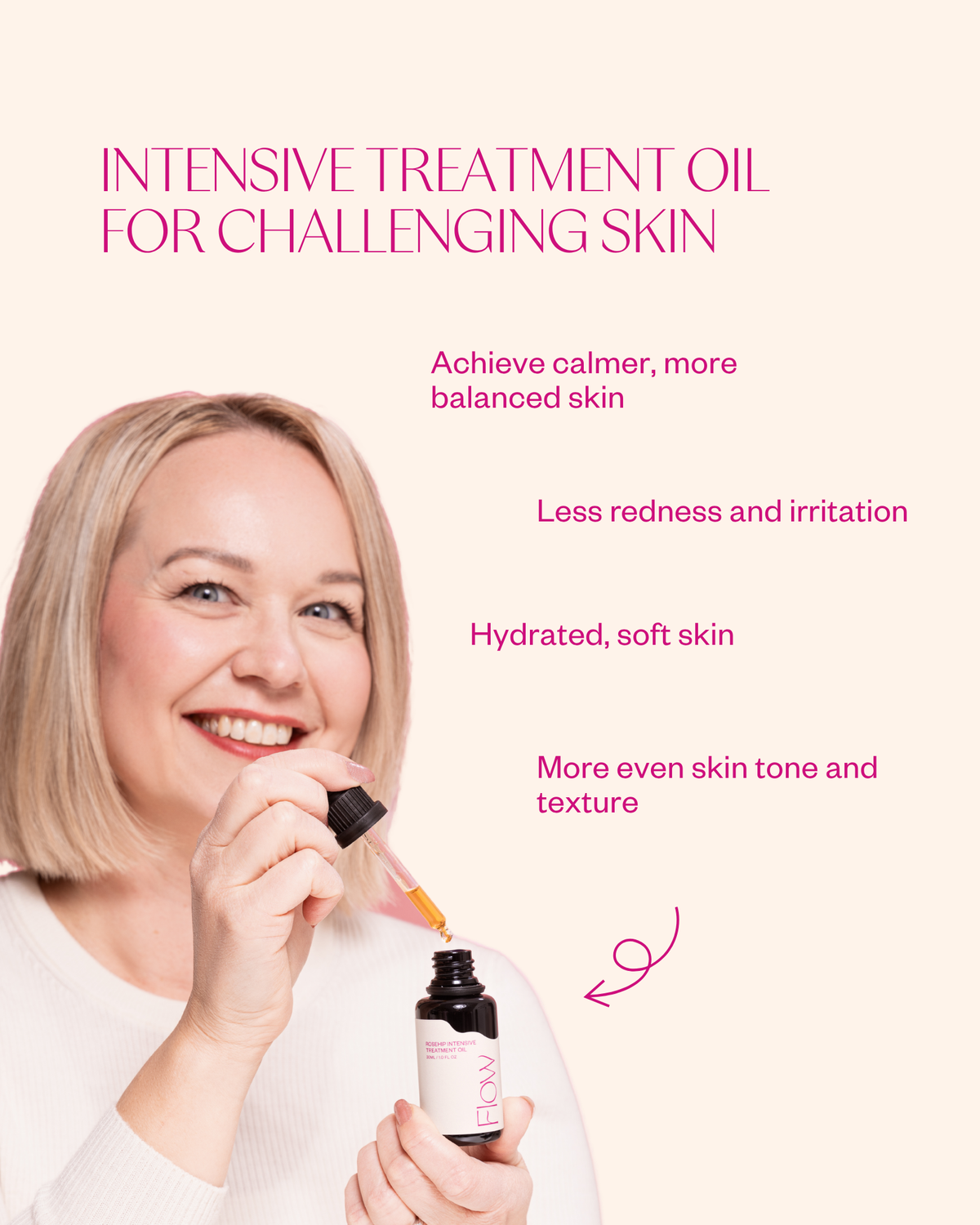
For best results, use berry oils, such as rosehip oil, in your daily skincare routine, as it brightens the skin and promotes skin renewal. Choose either Rosehip Intensive Treatment Oil, which contains cold-pressed oil in addition to rosehip CO2 extract, or Arctic Beauty Cream, which contains berry oils and bisabolol. Bisabolol also helps control pigment changes by inhibiting melanin formation through tyrosinase inhibition.

STRUCTURE OF AGING SKIN - collagen and peptides
Collagen production, in turn, can be nutritionally supported by consuming sufficient protein, vitamin C, and zinc. Collagen supplements, such as hydrolyzed collagen, can increase skin elasticity and hydration. Antioxidants like vitamins C and E, resveratrol, and coenzyme Q10, on the other hand, combat free radicals and slow down aging. To prevent glycation (saccharification), it is advisable to cut out excess sugar from the diet.
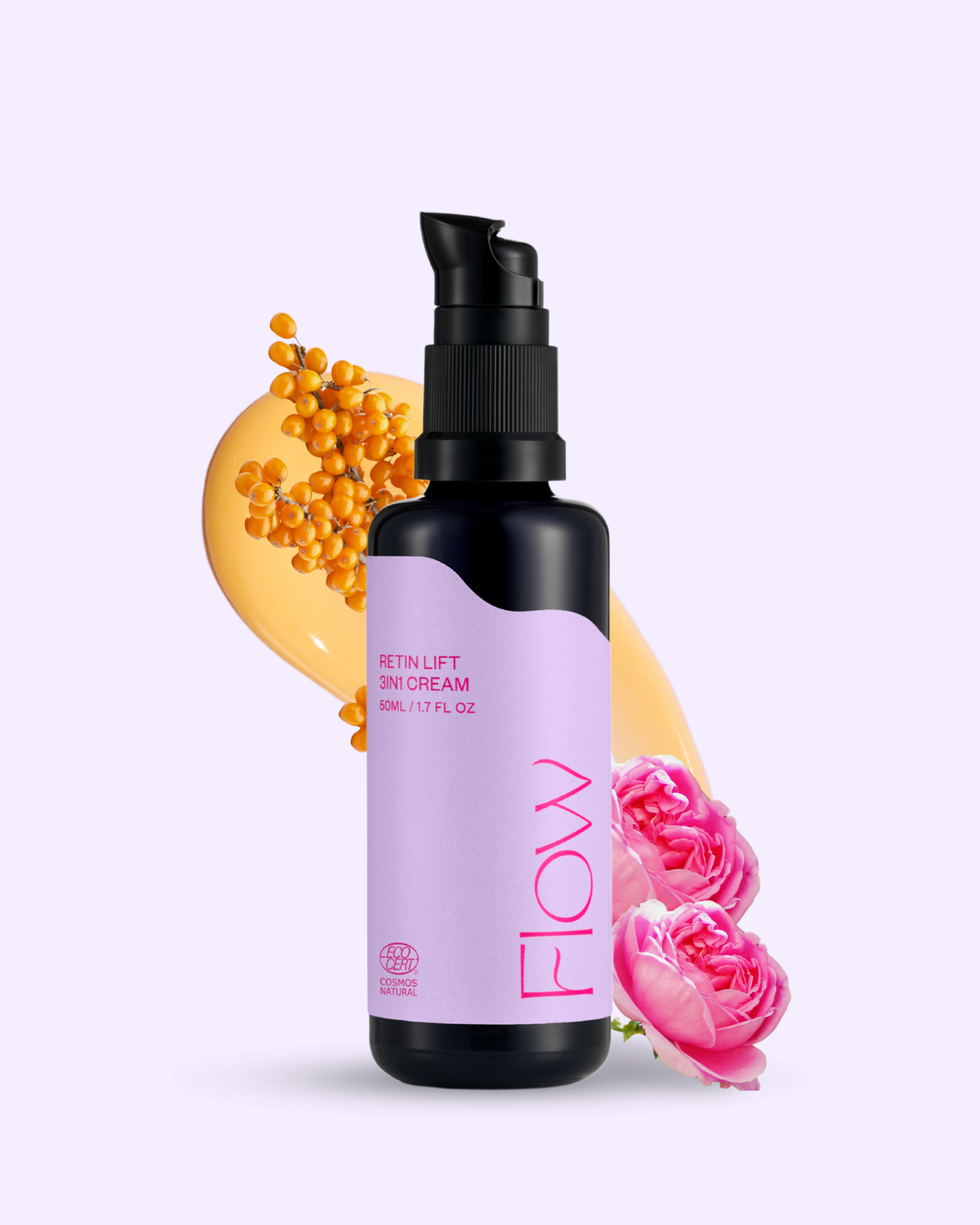
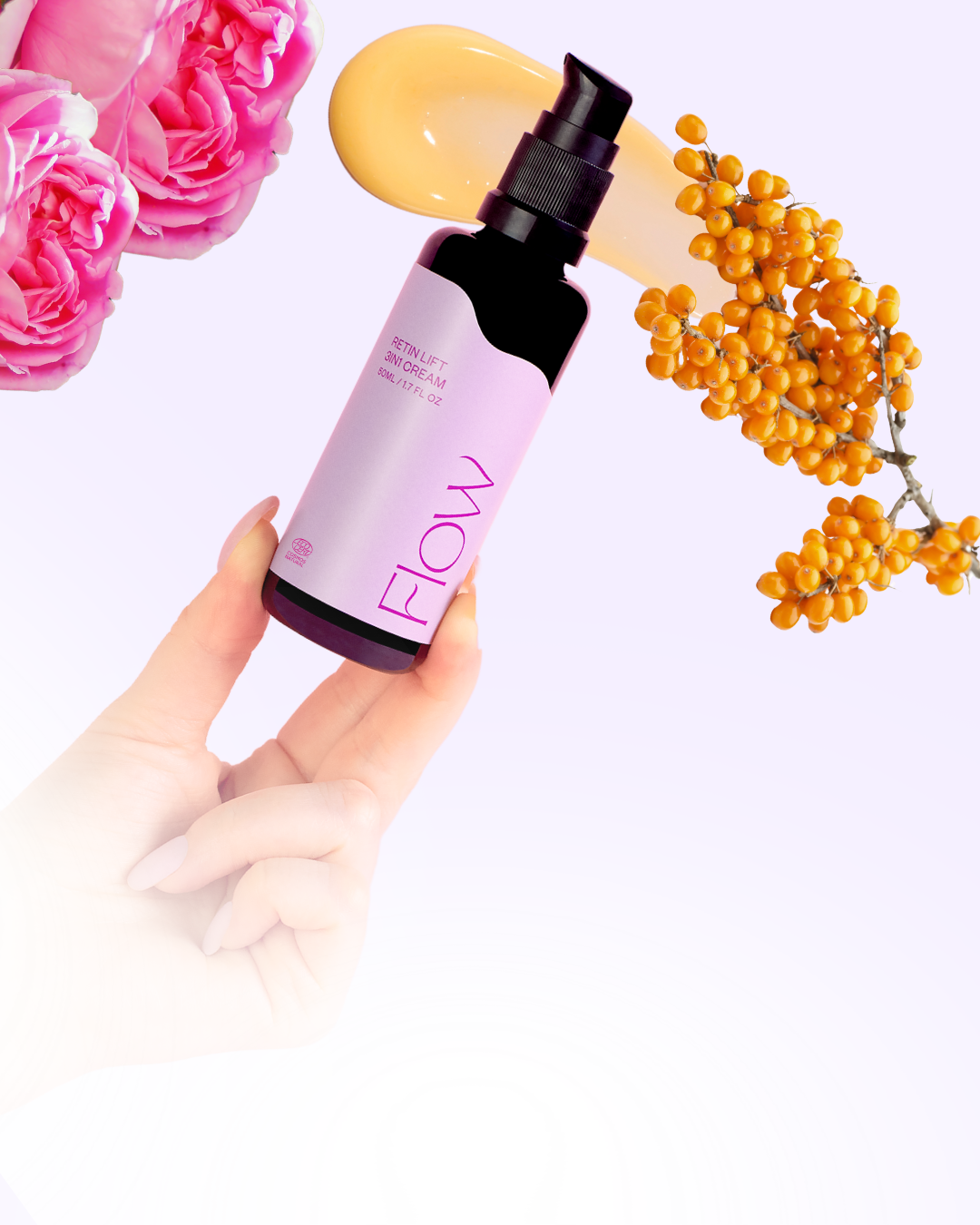
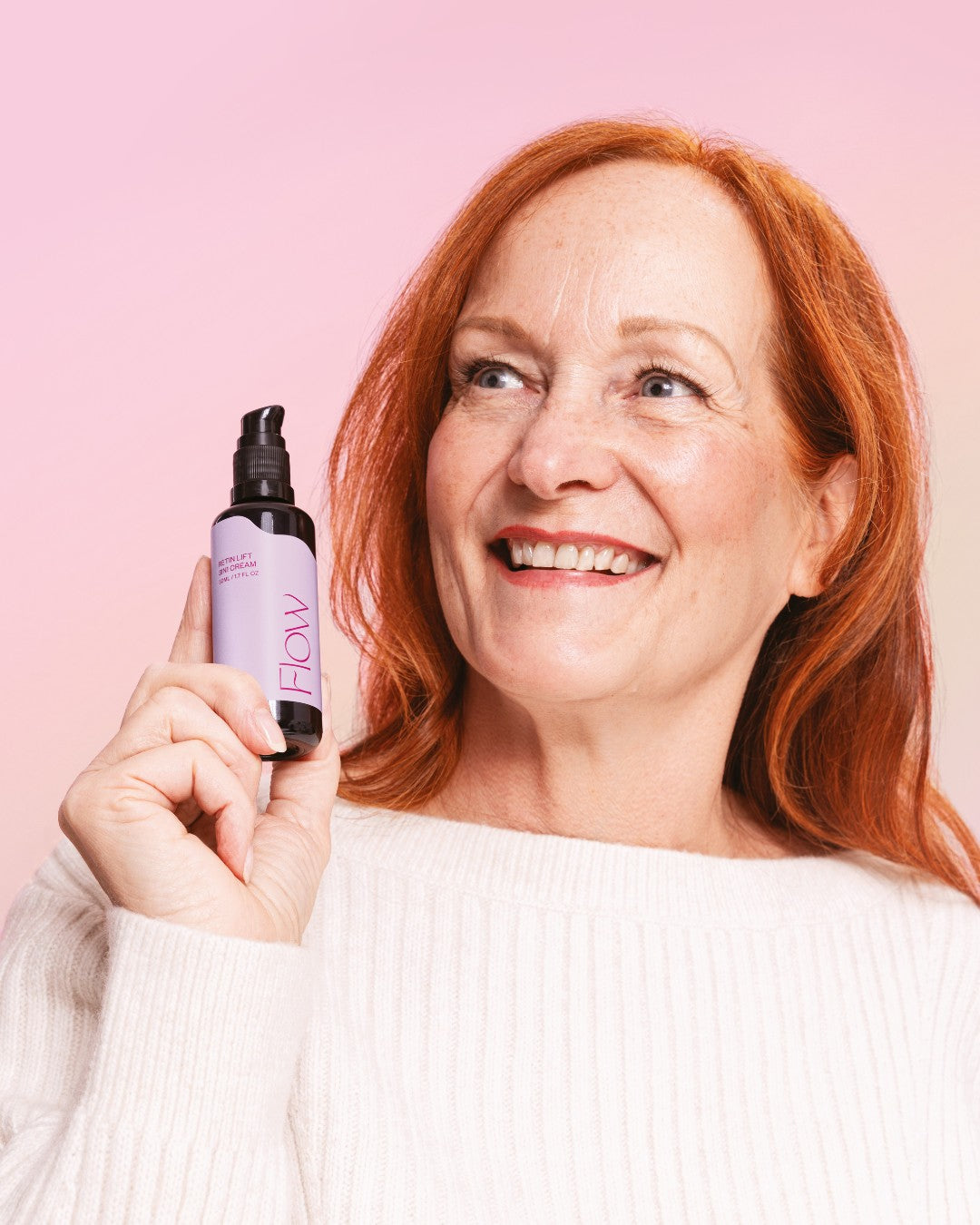
In skincare, Novoretin, or bio-retinol, is a modern and gentle alternative to traditional retinol. Retin Lift face cream contains bio-retinol and offers effective yet gentle anti-aging care. It is based on plant-derived compounds that mimic the effects of retinol, stimulating collagen production, evening out skin texture, and reducing fine lines without the irritation typical of retinol. Novoretin is also suitable for sensitive skin and can be used regularly to maintain skin youthfulness and well-being.
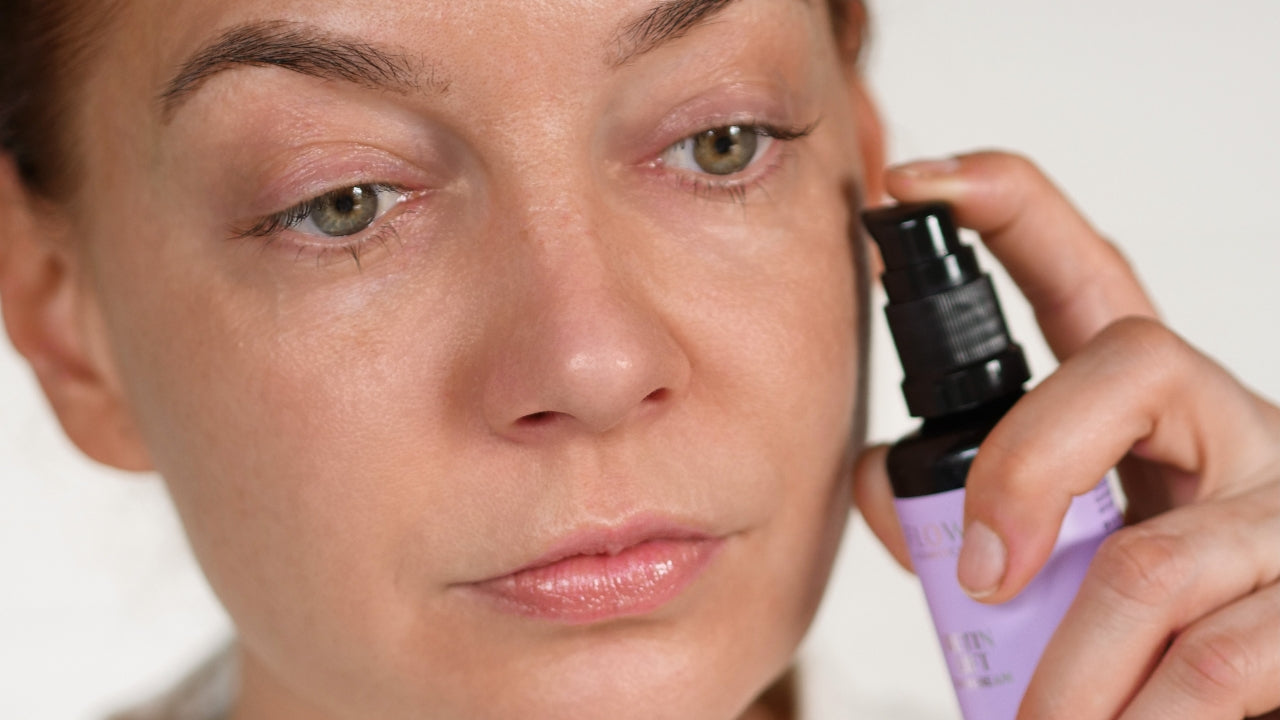
Another very interesting active ingredient in skincare is peptides. They consist of amino acids and act as messengers for skin cells. Green Tea & Peptide eye cream utilizes peptides to firm and soothe the delicate skin around the eyes. They stimulate the production of collagen, elastin, and other structural proteins, strengthening the skin and increasing its elasticity. Different peptides can also soothe the skin, reduce inflammation, or inhibit muscle contractions, which helps prevent the formation of expression lines. Peptides are suitable for daily use and enhance the effects of other active ingredients, such as antioxidants and moisturizers.

Gentle rose water hydrates the skin, Retin Lift cream with bio-retinol slows down the formation of aging changes, and Green Tea & Peptide eye cream strengthens the delicate skin around the eyes.
STRENGTHENING THE SKIN BARRIER - fatty acids and probiotics
Omega fatty acids, especially omega-3 and omega-6, support the skin's barrier function and reduce inflammation. When consumed internally, they strengthen cell membranes, improve skin hydration, and elasticity. When used externally, for example in the form of plant oils, omega fatty acids can soothe the skin and prevent dryness and irritation, thus promoting a youthful skin appearance.
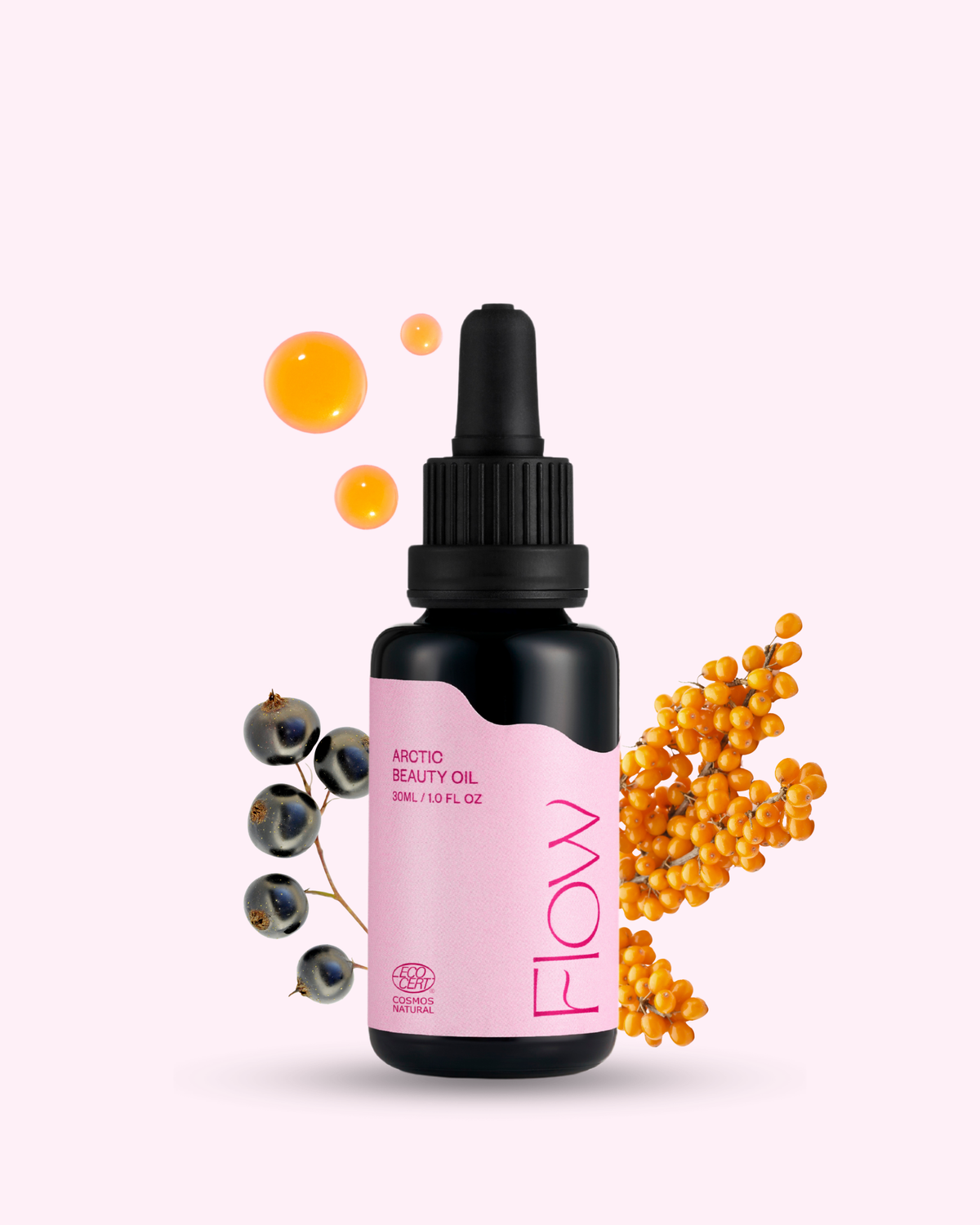
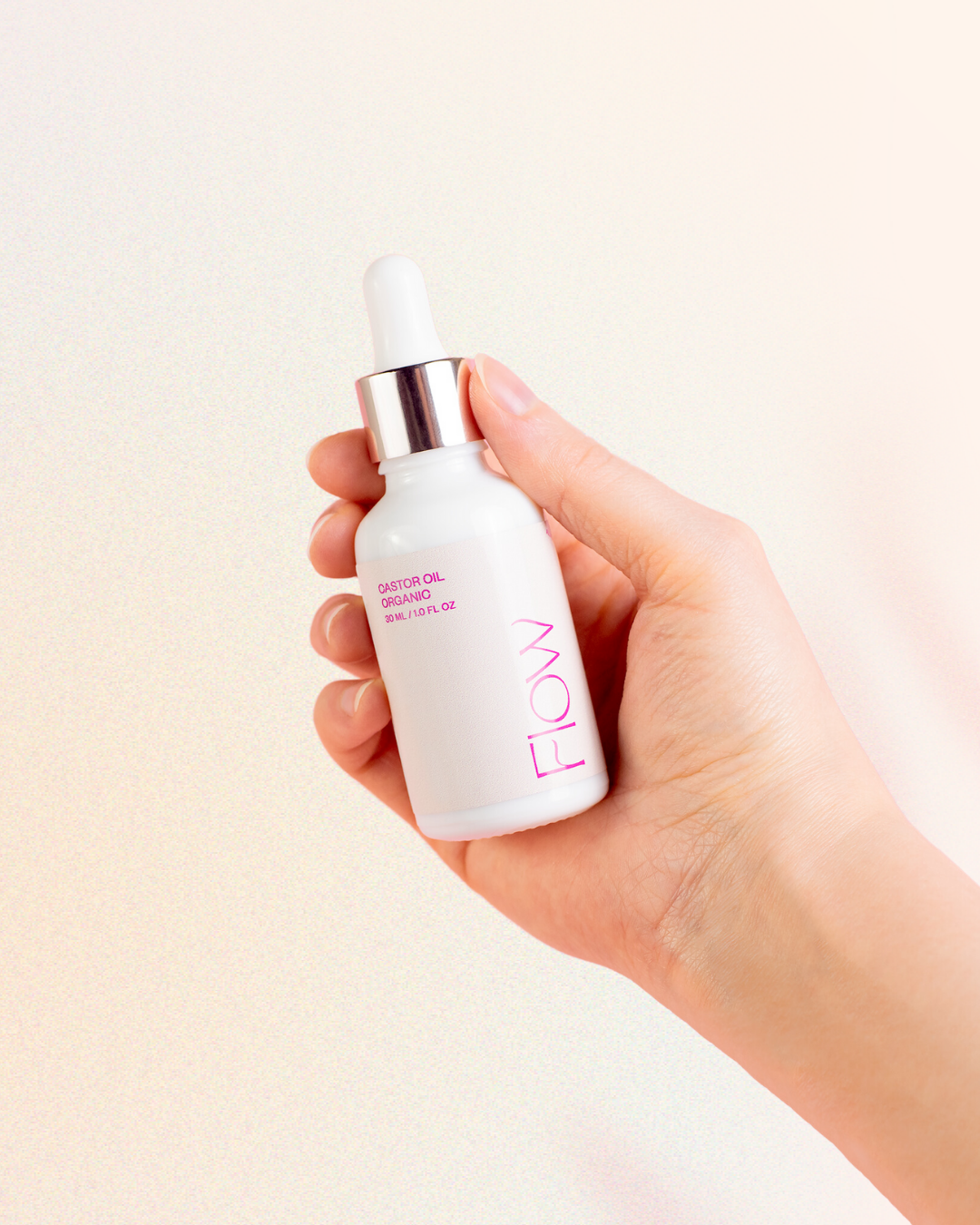
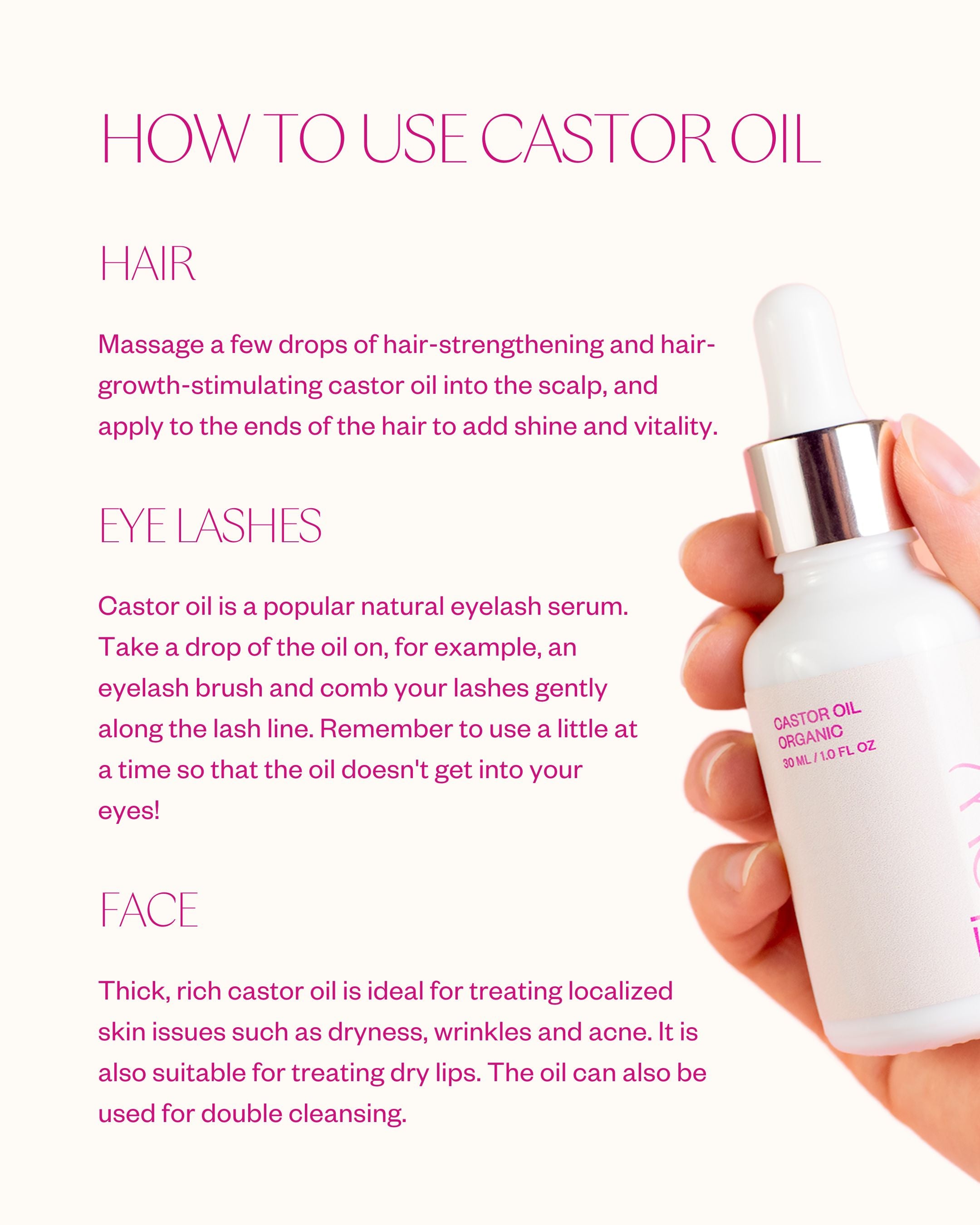
Omega fatty acids are found in abundance in berry oils, among others. Arctic Beauty Oil face oil offers an optimal cocktail of fatty acids for the challenges of aging skin and helps strengthen the skin and reduce the formation of fine lines and wrinkles. Castor oil also effectively moisturizes and softens the skin, and its antioxidant properties support skin renewal. Although castor oil has a thick consistency, its comedogenicity rating is low, so it does not clog the skin. Ricin Oil offers a high-quality organic option for versatile skincare. Used regularly, it helps smooth fine lines and improves skin elasticity. Spray gentle Rose Floral Water under face oils to provide extra moisture, soothe the skin, and improve oil absorption.
A healthy diet, gentle cleansers, and skincare products containing prebiotics and probiotics support the skin's microbiome and, consequently, the skin's own protective mechanisms. Internal use of probiotics and prebiotics can also, according to research, help the skin to balance and strengthen, as well as mitigate various skin problems.
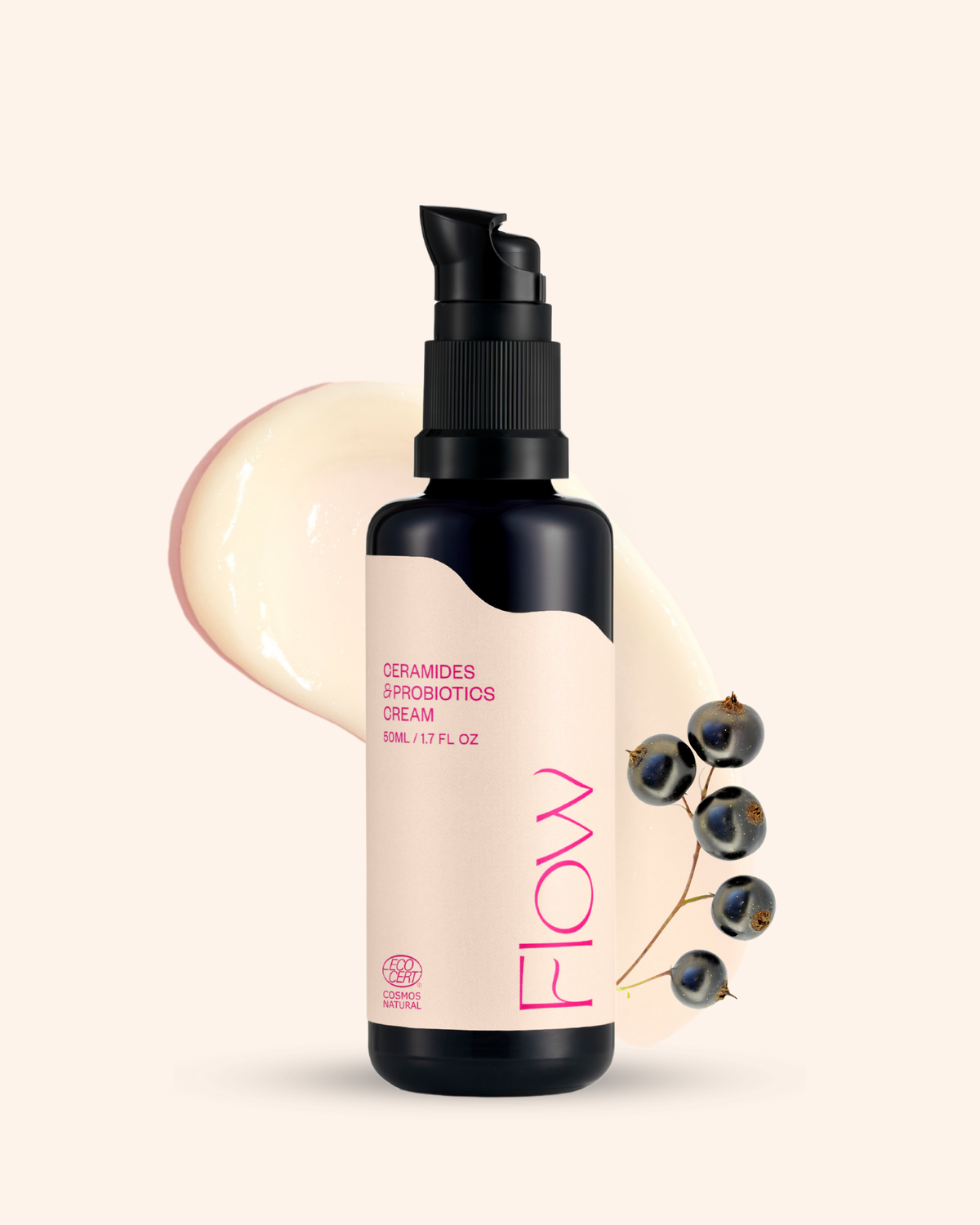
Many experience increased skin sensitivity with aging. Probiotics can not only promote general skin well-being and function but also help reduce sensitivity reactions. For soothing the skin and supporting the microbiome, Ceramides & Probiotics face cream is perfect, as it strengthens the skin with probiotics and ceramides.
SKIN DRYNESS - hyaluronic acid
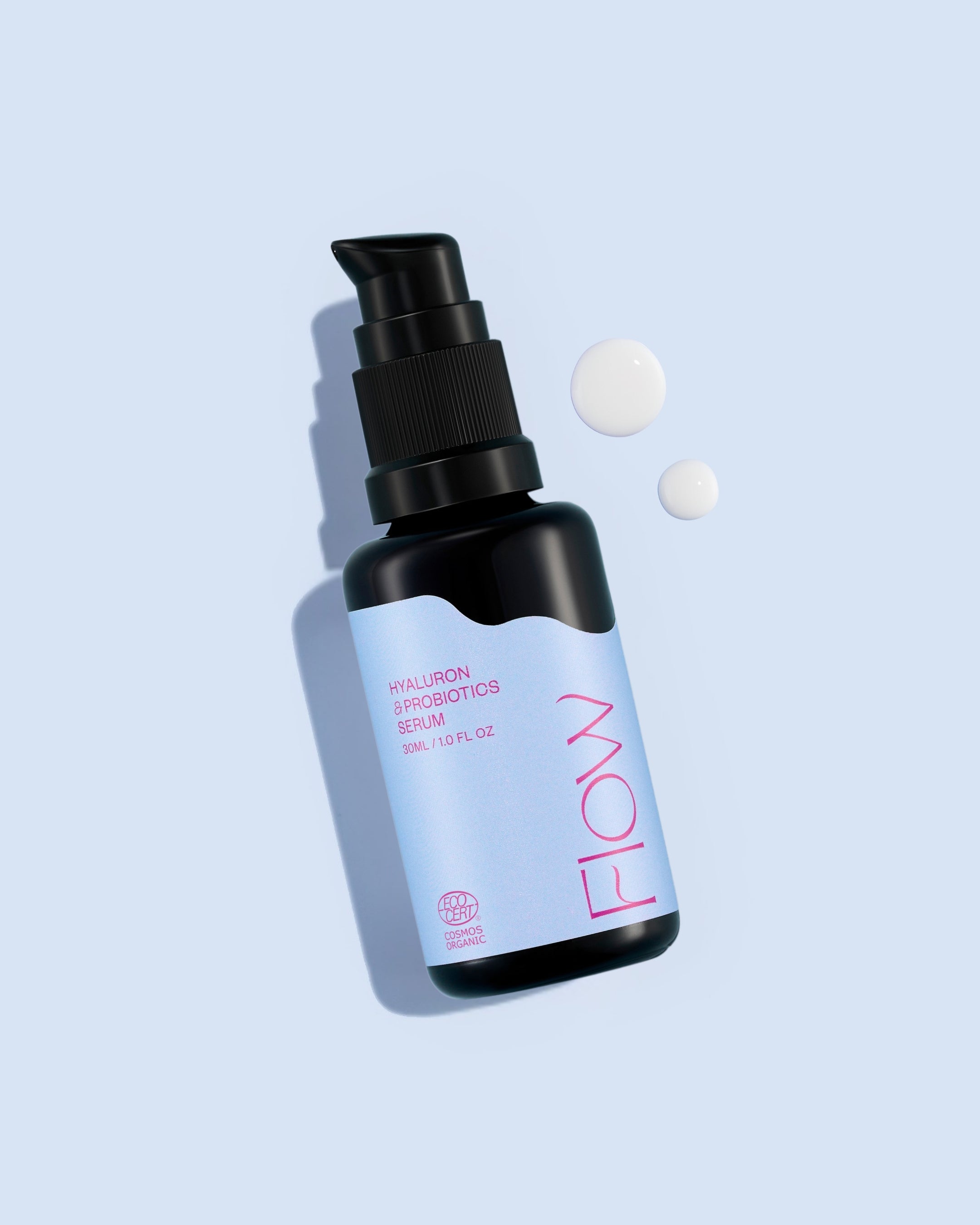
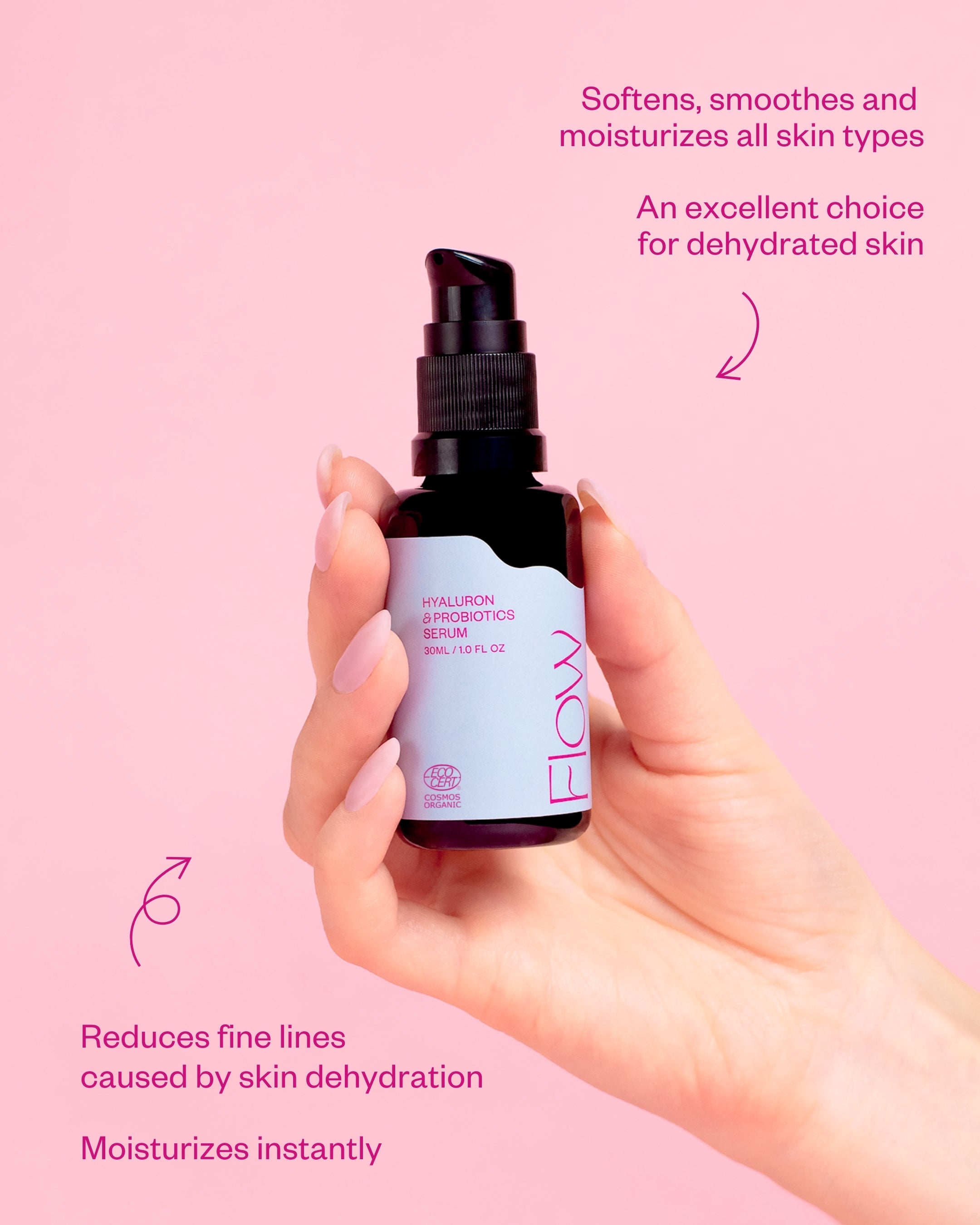
When the amount of hyaluronic acid decreases, the deficit can be compensated by using skincare products containing hyaluronic acid in different molecular weights. Hyaluron & Probiotics serum is an effective option that contains two different sizes of hyaluronic acid molecules. The serum helps improve the skin's moisture balance both on the surface and deeper within the skin. This potent serum combines moisturizing and skin microbiome-supporting ingredients. Additionally, hyaluronic acid is available as a dietary supplement.
By understanding skin changes related to aging, one can both slow their appearance and treat them effectively, allowing the skin to remain healthier and more radiant for a long time.
4. The impact of lifestyle on skin aging
Stress
Prolonged stress and silent inflammation in the body are significant accelerators of aging. For example, poor diet quality, insufficient exercise, smoking, and regular alcohol consumption strain the body and expose it to inflammation. This can also lead to the onset of various skin conditions, such as rosacea, adult acne, or atopic dermatitis. Various stress management techniques, such as walking in nature, yoga, or meditation, help the body and nervous system enter a state of recovery where the body's repair processes function better. Therefore, attention should be paid to stress management in daily life. Also, focus on regular exercise and avoid excessive use of recreational substances.

Adequate sleep helps the body recover and repair tissues.
Sleep
The quality and quantity of sleep are also important factors in skin and overall body well-being. During deep sleep, the body repairs tissue damage and produces growth hormone, which promotes cell renewal. Lack of sleep increases the body's stress level and can lead to dullness, dryness, and the formation of premature wrinkles. So, ensure you get enough sleep and try to calm your evening before going to bed to facilitate easier sleep. Instead of scrolling on your phone, consider taking a relaxing foot bath and drinking a cup of herbal tea in the evening.
Gut
The skin microbiome, the community of microorganisms living on the skin's surface, plays a crucial role in skin health and protective functions. With aging, the diversity of the microbiome can decrease, which makes the skin prone to dryness, irritation, and inflammation. Since the entire body's microbial community, or microbiome, is a unified ecosystem, changes in, for example, the gut microbes can also affect the skin's microbial balance. To take care of your skin's well-being, pay attention to your nutrition. Additionally, avoid using products that disrupt the skin's microbial balance, such as cosmetics containing silicone, strong synthetic preservatives, or harsh cleansing ingredients.
Other factors
Repeated expressions, such as smiling or frowning, can over time cause dynamic wrinkles that become permanent lines. However, expressions are part of being human and our personality. You can, however, reduce the deepening of bothersome expression lines, such as frown lines, with techniques like facial massage, face yoga, or gua sha, as these help relax facial muscles and fascia and stimulate lymphatic flow. External factors, such as continuous blue light exposure when working on a screen, accelerate the skin's aging process. So, get outdoors as often as possible to expose your skin to a broader spectrum of light.
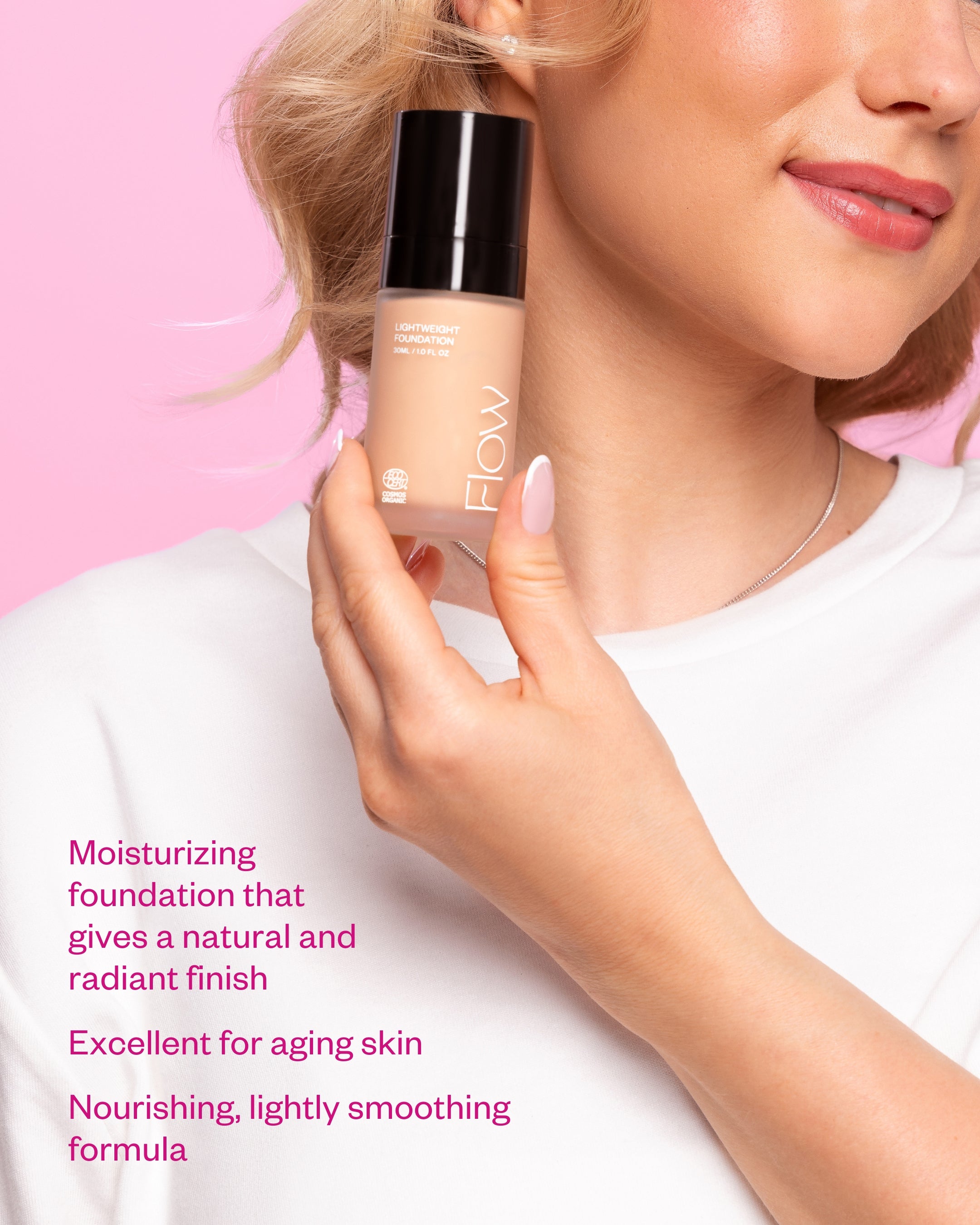
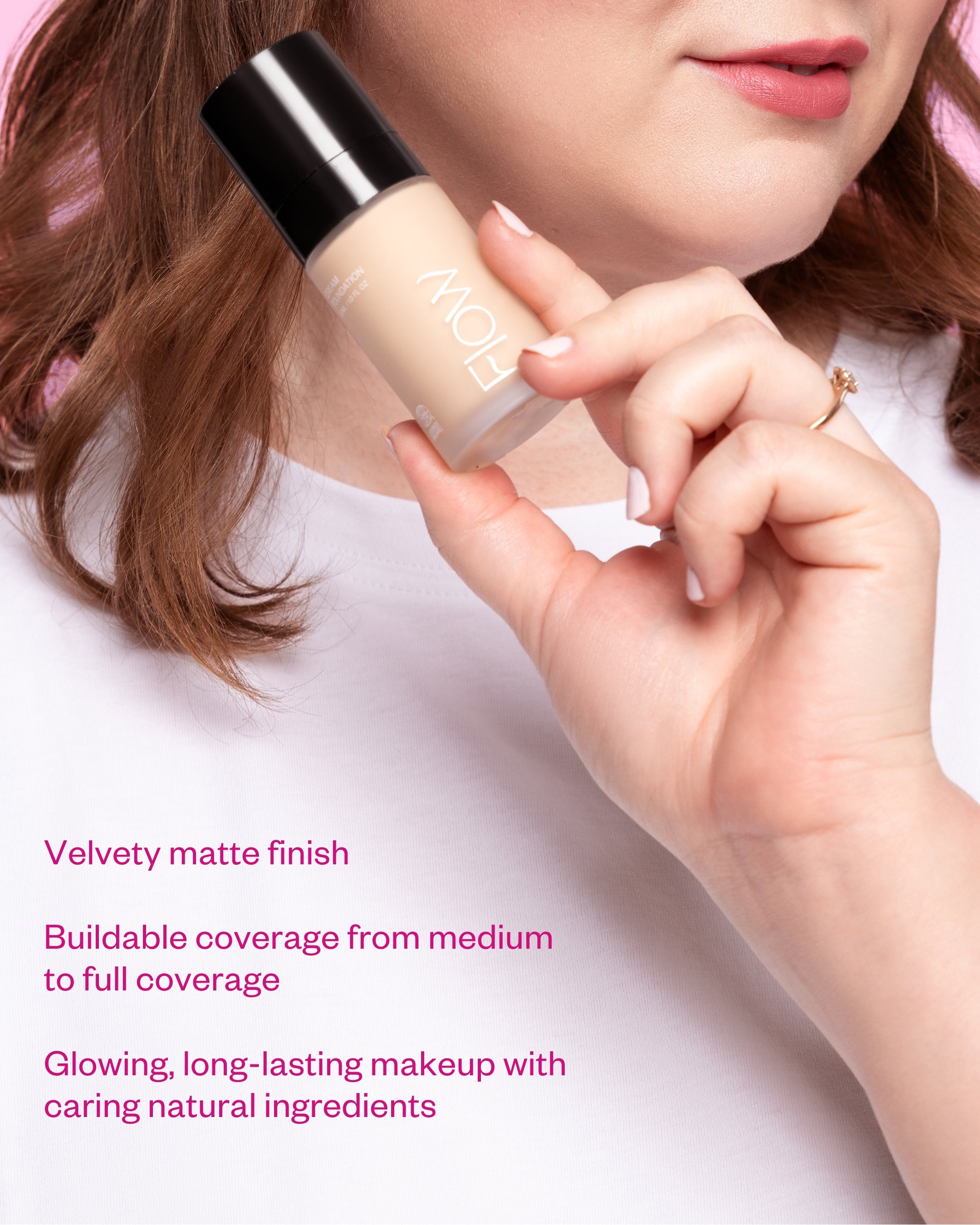
As you age, also invest in higher-quality makeup products that don't dry out the skin, emphasize pores, or settle into lines. The best makeup for aging skin enhances and highlights your skin's best features.